
PLASTERING
Embracing both Traditional & Modern Plastering Methods at CWS
Plastering has evolved significantly over time, yet traditional techniques remain highly valued for their durability, craftsmanship, and suitability for older buildings. At the same time, modern methods offer speed, efficiency, and consistency—making them ideal for contemporary construction projects. Understanding the difference helps ensure the right approach is chosen for every job, at CWS we help our clients make them decisions.
Traditional Plastering Methods
Traditional plastering is rooted in time-tested techniques that have been used for centuries, particularly in heritage and period properties. These methods focus on breathability, flexibility, and long-term performance.
Two-Coat Plastering
This is one of the most widely used traditional methods. It involves:
- A base (scratch) coat, which provides strength and key for the finish
- A top (skim) coat, which creates a smooth, decorative surface
This method is ideal for uneven walls and provides a robust, long-lasting finish.
Heritage Plastering
Used in the restoration of historic buildings, heritage plastering often involves lime-based materials rather than modern gypsum. Lime plaster allows buildings to “breathe,” preventing moisture buildup and damage to older structures. It requires specialist knowledge and skill to match original finishes and maintain authenticity.
Dot and Dab (Dry Lining)
Although sometimes considered semi-modern, dot and dab is a widely used traditional fixing method for plasterboard. Adhesive is applied in dabs to masonry walls, and boards are pressed into place. It is quicker than wet plastering but still relies on manual skill and preparation.
Plaster to Drywall
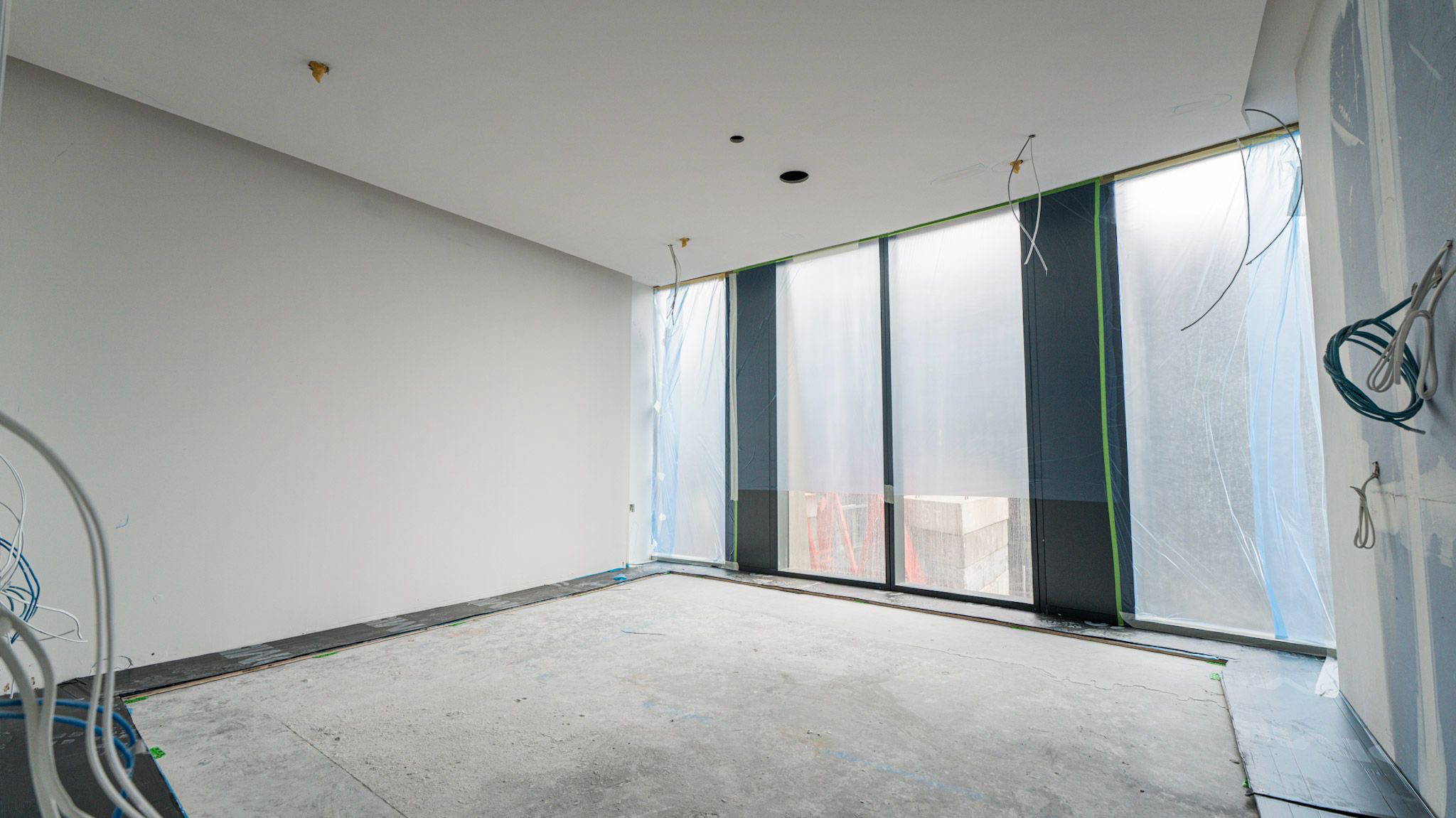
Plastering directly onto drywall (plasterboard) is a common modern technique used to achieve a smooth, seamless finish. Instead of relying solely on taped joints, a thin skim coat —typically using a multi-finish or board finish plaster—is applied across the entire surface. This creates a higher-quality, more uniform appearance compared to standard dry lining alone. The process requires proper preparation, including ensuring joints are secure and, where needed, applying a bonding agent to control suction. Plastering over drywall combines the speed and convenience of plasterboard installation with the polished, durable finish of traditional plastering, making it a popular choice for both new builds and refurbishments.
Modern Plastering Methods
Spray Plastering
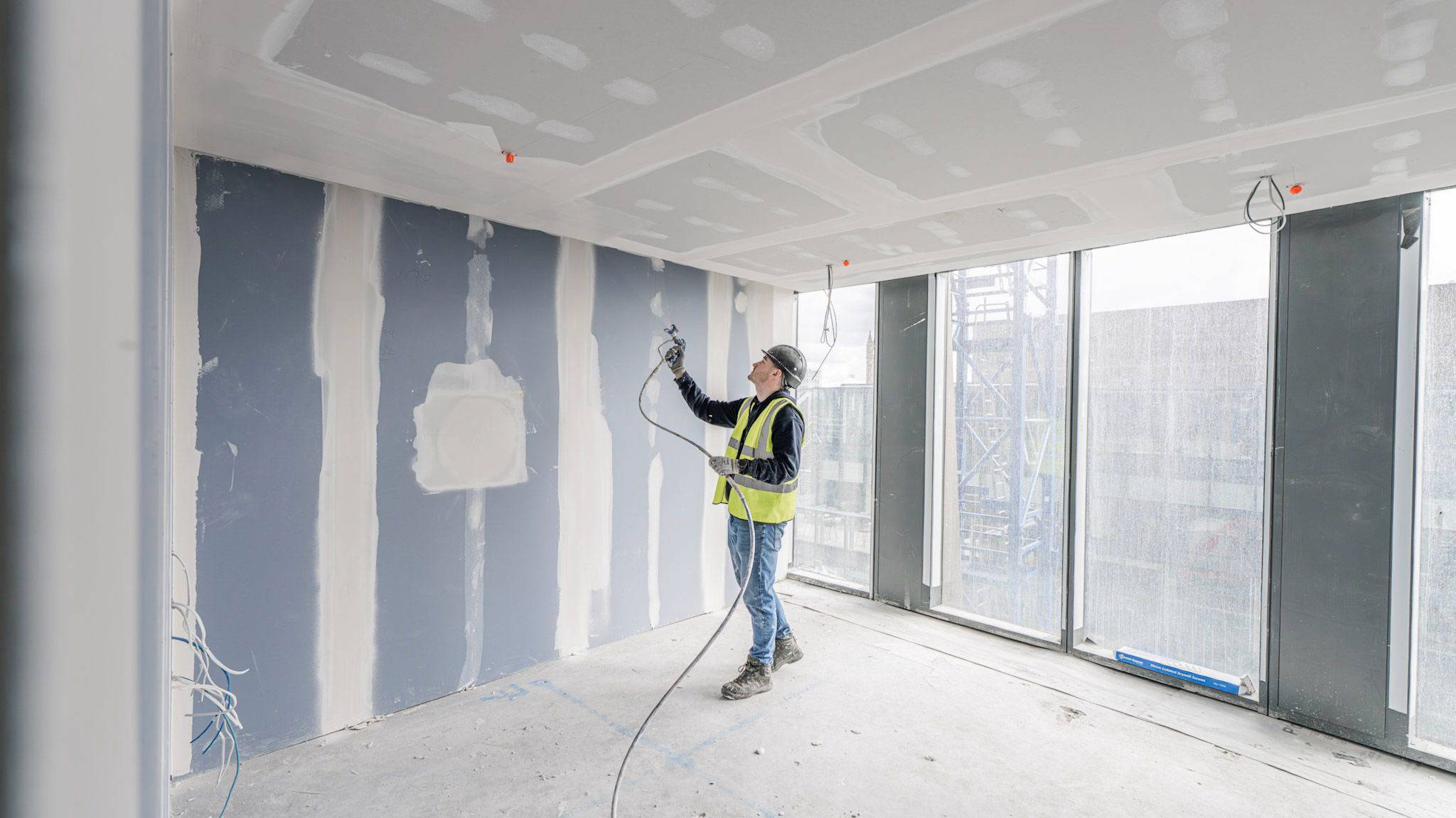
Spray plaster is a highly efficient, machine-applied method that allows plaster to be evenly distributed across large surfaces in a fraction of the time of manual application. Once sprayed, it is flattened and polished to achieve a smooth finish.
Benefits include:
• Faster application times
• Consistent coverage and finish
• Reduced labour costs on large jobs
Spray plaster is particularly popular in new-build developments and commercial settings where speed and uniformity are key.
Traditional vs Modern: Choosing the Right Approach
Both traditional and modern plastering methods have their place:
• Traditional plastering is best suited for heritage work, renovations, and projects where durability and authenticity are essential.
• Modern methods, such as spray plastering, are ideal for new builds and large-scale projects where efficiency and speed are priorities.
A skilled contractor understands when to use each technique, ensuring the best results for both the building and the client, CWS from design stage through to completion help assist in both traditional and modern methods of plastering.
Get in Touch
34a Water Lane Street,
Radcliffe,
M26 4BG
Telephone:
Tel: 0161 757 3200
Email: info@cwsolutionsltd.com
